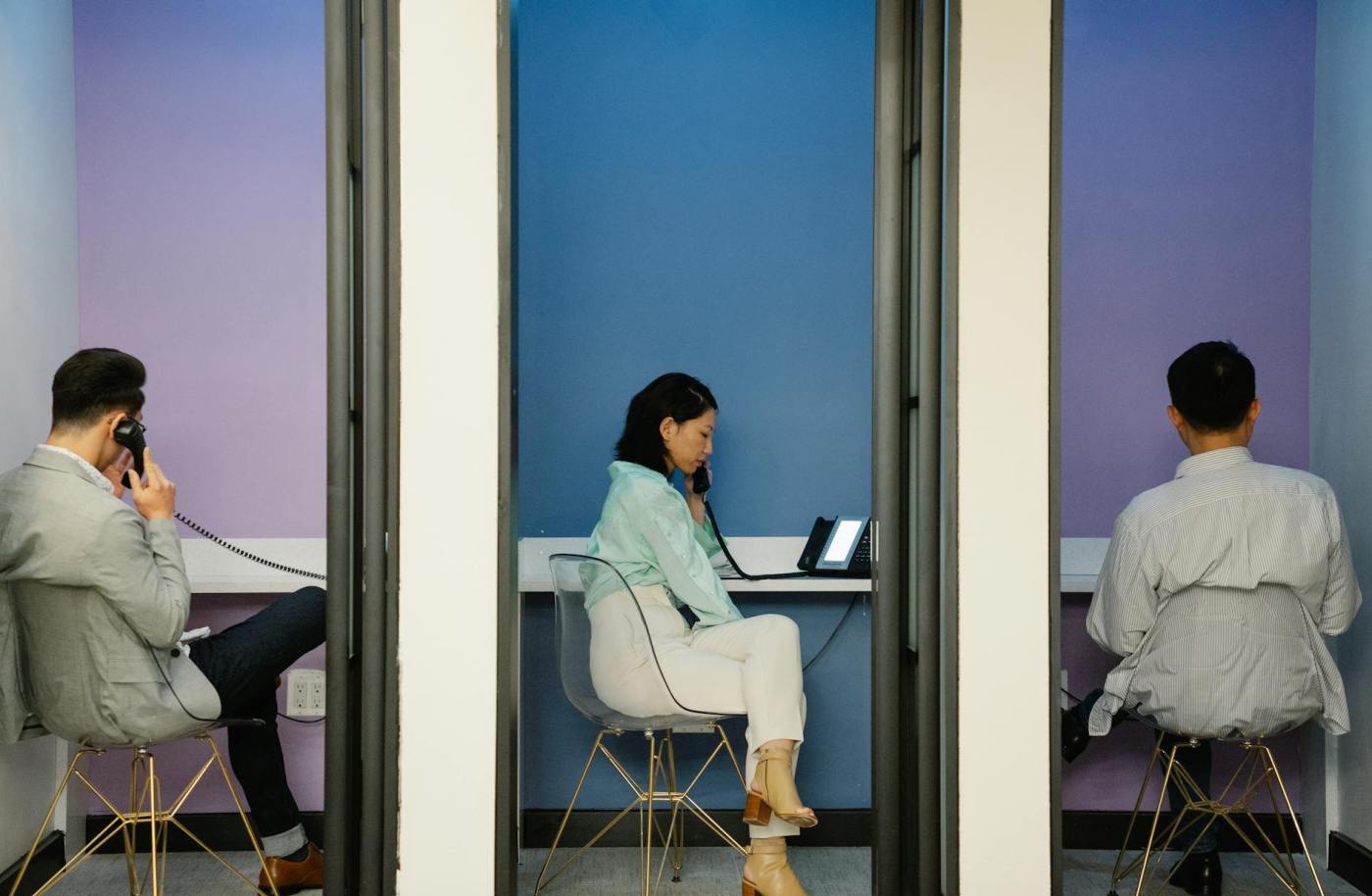
Whatever kind of business you are in charge of, it’s important to make sure that you are aware of how to look after and run the office. This is something that you should definitely make sure you are thinking about. Running an office successfully requires far more than simply providing desks, computers, and a place for employees to work. A well-managed office supports productivity, encourages collaboration, and creates an environment where staff can perform at their best. Whether you oversee a small business office or a larger corporate space, paying attention to the details can make a significant difference to both efficiency and employee satisfaction.
Creating an Effective Workspace
The physical environment has a direct impact on how people work. Comfortable seating, appropriate lighting, and well-organised workstations help employees remain productive throughout the day. Offices should also provide spaces for different types of work, including collaborative areas for meetings and quieter zones for focused tasks. Regularly reviewing the office layout can help identify bottlenecks and inefficiencies. As teams grow and business needs change, the workspace should evolve accordingly. Investing in ergonomic furniture and ensuring equipment is maintained properly can also reduce downtime and improve staff wellbeing.
Managing Office Technology
Technology is at the centre of most modern workplaces. Computers, communication systems, printers, and cloud-based applications all need to function reliably. Regular software updates, cybersecurity measures, and backup systems should be part of standard office procedures. Businesses should also evaluate whether their technology stack continues to meet operational needs. Outdated systems can slow employees down and create unnecessary frustration. By investing in reliable technology and providing proper training, organisations can improve productivity and reduce avoidable disruptions.
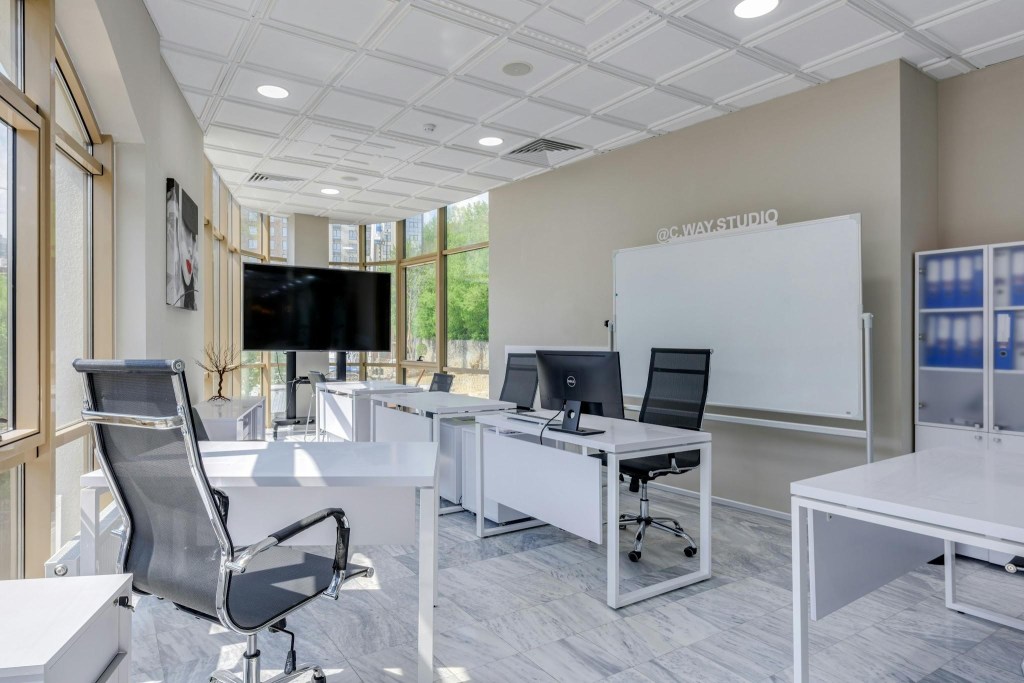
Maintaining Cleanliness and Organisation
A clean office creates a more professional impression and helps employees feel comfortable in their working environment. However, maintaining cleanliness can become challenging as offices grow and become busier. Many organisations now use cleaning scheduling software by Janitorial Manager to manage cleaning tasks more effectively. These systems can automate schedules, track completed work, assign responsibilities, and ensure that cleaning standards remain consistent throughout the workplace. By reducing manual administration, cleaning scheduling software helps facility managers maintain high standards while improving accountability.
Supporting Employee Wellbeing
Employee wellbeing has become a major focus for businesses in recent years. Staff who feel supported are generally more engaged, productive, and likely to remain with the organisation. Simple initiatives such as flexible working arrangements, wellness programmes, mental health support, and comfortable break areas can have a meaningful impact. Encouraging a healthy work-life balance can also help prevent burnout and improve morale. Managers should regularly seek feedback from employees and remain open to making improvements that support both wellbeing and performance.
Running an office involves balancing people, processes, technology, and facilities. Success comes from creating an environment where employees can work efficiently while ensuring that operations run smoothly behind the scenes.
 Money-Smart Millennials
Leave a comment